Contactless Tracking & Recognition
High-precision indoor localization and behavior recognition without wearables.
Device-Free Localization and Behavior Sensing
Based on Wireless Signals
基于无线信号的非接触式定位与行为感知研究
01. The Scientific Problem
科学问题与挑战


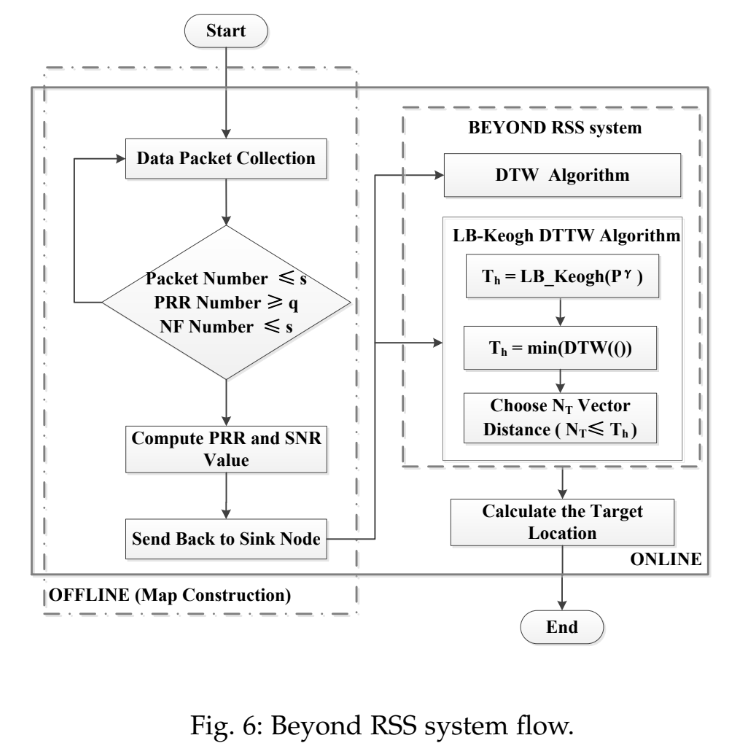
Figure 2. Influential links and reference node modeling in dynamic environments.
Traditional methods rely on wearables, which restricts universality. We tackle the core challenge: the tension between localization accuracy and real-time performance under low-quality signals. 传统方法依赖佩戴设备,限制了普适性。我们致力于解决核心挑战:低质量信号下定位精度与实时性能之间的权衡。
02. Accurate Localization Model
稀疏节点下的精准定位建模


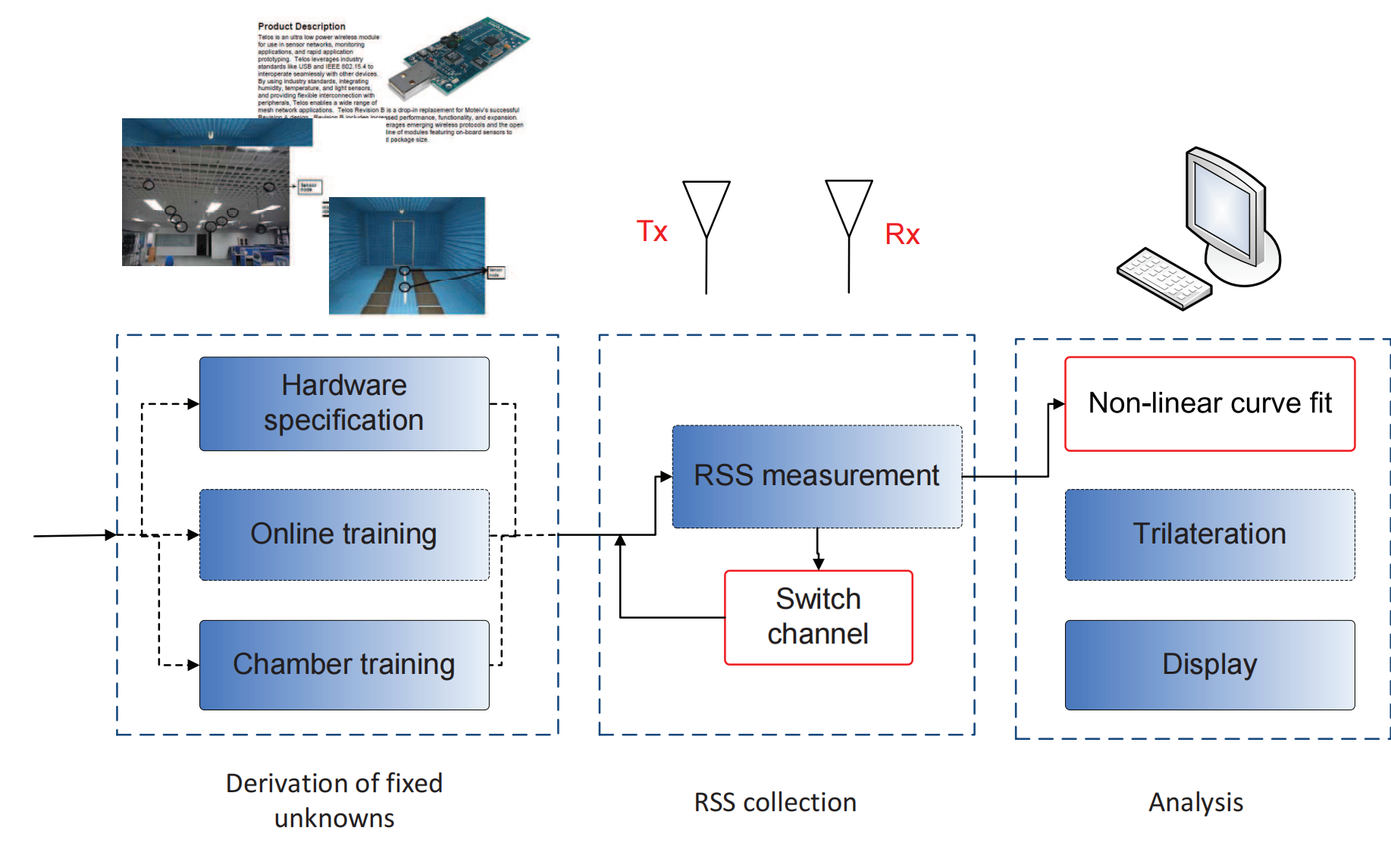
Figure 3. Geometric signal propagation modeling and real-time corridor deployment.

Representative Work
代表性创新点- Proposed the first device-free method without carrying any external sensors. 首个提出无需佩戴任何外部传感器的非接触式感知方法。
- Accuracy: 0.99 m 定位精度达到 0.99 米。
- Improvement: >15% under sparse reference node networks. 在稀疏参考节点网络下,精度提升超过 15%。
2022

2017

03. Precise Behavior Recognition
高精度行为手势识别框架

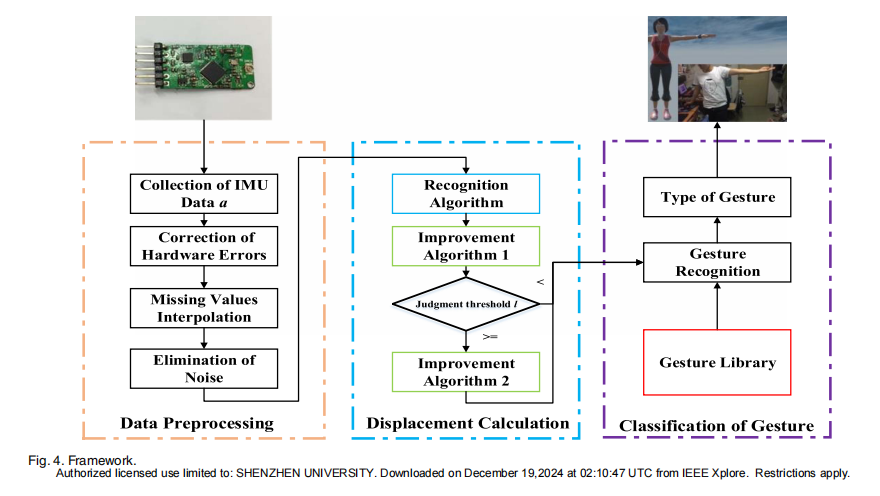
Figure 4. Real-time gesture recognition interface and skeletal mapping.
Performance Metrics
系统性能指标- Success Rate: 100% for defined gestures.定义手势的识别率达到 100%。
- Tracking Accuracy: 0.06 m.动作追踪精度达 0.06 米。
- Robust to variations in gesture amplitude.对不同幅度的手势动作具有极强的鲁棒性。

Figure 5. 3D Pose skeletal library for behavior modeling.

Figure 6. Recognition rate comparison across various algorithms.
2023

× ![]()